
Sports have become one of the most influential forces in modern society, bringing together billions of people from different cultures, languages, and nations.
Whether it is football, cricket, athletics, or the Olympic Games, international competitions attract enormous audiences and generate billions of dollars every year. Behind these events are powerful governing bodies that establish rules, organize tournaments, develop talent, and ensure fair competition. Organizations such as FIFA, the International Cricket Council (ICC), and the International Olympic Committee (IOC) have transformed sports into a global industry. Their influence extends far beyond stadiums and playing fields, affecting economies, tourism, media, and even international relations.
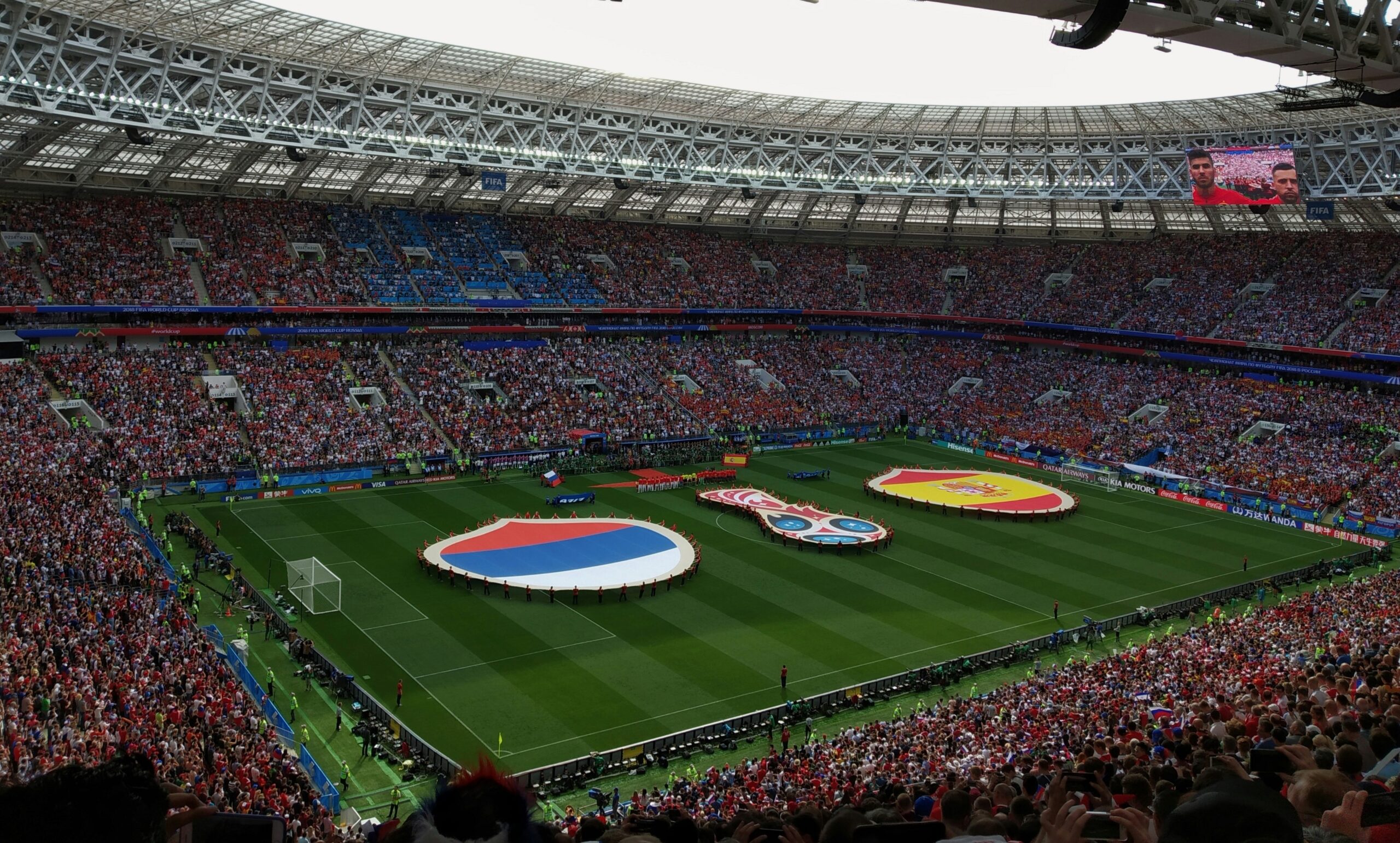
How International Sports Organizations Were Born
The creation of international sports organizations was driven by the growing popularity of sports across national borders. As countries began competing against one another, it became necessary to establish common rules and governing structures. Without a central authority, disputes regarding regulations, eligibility, and competition formats became increasingly common.
The International Olympic Committee was founded in 1894 by Pierre de Coubertin with the goal of reviving the Olympic Games and promoting international friendship through sports. FIFA followed in 1904 when representatives from several European nations gathered to create a governing body for football. The International Cricket Council was established in 1909 to coordinate international cricket competitions among major cricket-playing nations. Over time, these organizations expanded their membership and influence, becoming global authorities in their respective sports.
The Most Powerful Sports Organizations in the World
Several sports organizations dominate the global sporting landscape due to their influence, revenue, and worldwide reach.
- FIFA governs international football and organizes the FIFA World Cup.
- The ICC oversees international cricket and major cricket tournaments.
- The IOC manages the Olympic Games and coordinates with numerous sports federations worldwide.
These organizations create rules, manage international competitions, resolve disputes, and promote the growth of sports in developing regions. Their decisions affect millions of athletes, coaches, officials, and fans across the globe.
Who Leads These Organizations Today?
Leadership plays a critical role in the success of international sports organizations. These institutions are typically led by presidents, chairpersons, executive committees, and administrative teams responsible for strategic planning and governance. Their duties include managing finances, organizing competitions, negotiating commercial agreements, and ensuring compliance with international regulations.
Modern sports leaders face increasingly complex challenges. They must balance commercial growth with sporting integrity while addressing issues such as corruption, political influence, athlete welfare, and technological change. Strong leadership helps organizations maintain credibility and adapt to an evolving sports environment.
Where Does the Money Come From?
Many people assume that governments provide most of the funding for sports organizations. In reality, the majority of revenue comes from commercial activities that capitalize on the global popularity of sports.
- Broadcasting rights sold to television networks and streaming platforms.
- Sponsorship agreements with multinational corporations.
- Ticket sales, licensing agreements, and merchandise revenue.
Broadcasting rights represent one of the largest revenue sources. Major tournaments attract billions of viewers, making media rights extremely valuable. Sponsorship deals with global brands further increase income, while merchandise sales and licensing agreements generate additional revenue streams. These funds are often reinvested into sports development programs, infrastructure projects, and international competitions.
The Richest Athletes Connected to These Sports
Professional athletes have evolved into global celebrities and powerful personal brands. Their earnings are no longer limited to salaries and prize money. Sponsorships, endorsements, social media partnerships, and business investments contribute significantly to their wealth.
- Cristiano Ronaldo
- Lionel Messi
- Virat Kohli
These athletes have built enormous global fan bases that attract major brands seeking visibility. Their influence extends beyond sports, allowing them to generate income through fashion lines, fitness products, digital content, and various entrepreneurial ventures. As a result, some athletes earn hundreds of millions of dollars throughout their careers.
Controversies and Challenges Facing Sports Organizations
Despite their success, international sports organizations have faced numerous controversies over the years. Allegations of corruption, financial mismanagement, and unethical governance have occasionally damaged public trust. High-profile investigations have highlighted weaknesses in oversight and accountability within certain sporting institutions.
Match-fixing, doping scandals, and political interference also present significant challenges. These issues threaten the integrity of competitions and can undermine the reputation of entire sports. To address these concerns, many organizations have introduced stricter regulations, independent ethics committees, and greater financial transparency.
How Sports Organizations Shape the Future
The future of sports is being influenced by rapid technological advancements and changing audience expectations. International governing bodies are investing in innovations that improve both competition and fan engagement. Technologies such as video assistant referees, performance analytics, wearable devices, and artificial intelligence are transforming how sports are played and managed.
Digital platforms have also created new opportunities for fan interaction. Supporters can now follow athletes, watch live events, and engage with content from anywhere in the world. Sports organizations are increasingly exploring esports, virtual experiences, and sustainable event management to remain relevant in a rapidly evolving landscape.
The Global Impact of Sports Organizations
International sports organizations contribute significantly to economic development and cultural exchange. Major tournaments generate employment, stimulate tourism, and encourage infrastructure investment. Host nations often experience increased global visibility, attracting visitors and investors long after the event concludes.
Sports also promote unity and cooperation among nations. International competitions provide opportunities for countries to interact peacefully while celebrating excellence and fair play. In many cases, sports have served as a bridge between cultures and communities that might otherwise have limited interaction.
Conclusion
International sports organizations are the foundation of modern competitive sports. From establishing rules and organizing tournaments to generating revenue and promoting global development, these institutions play a vital role in shaping the sporting world. Organizations such as FIFA, the ICC, and the IOC influence billions of people through their events and initiatives. As technology continues to transform sports and fan expectations evolve, these governing bodies will remain central to the future of global competition. While athletes often receive the spotlight, it is the work of these organizations behind the scenes that makes international sports possible.